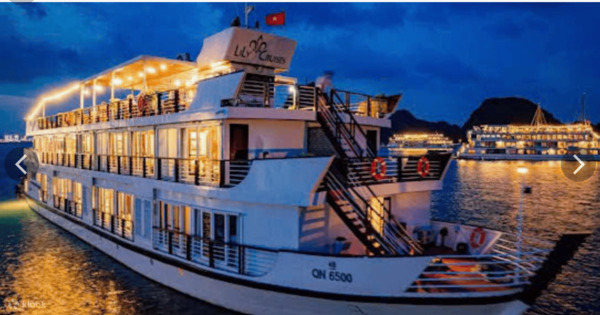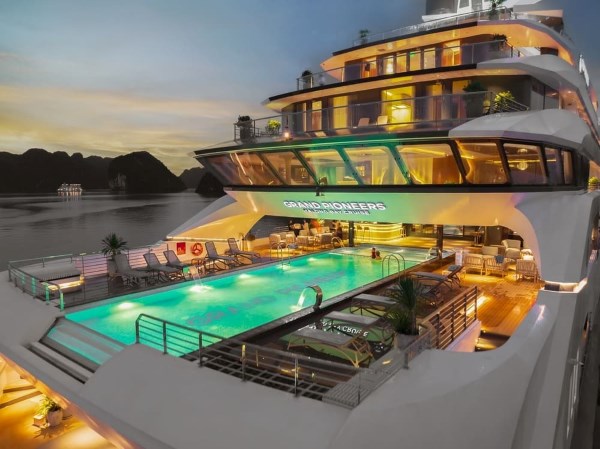
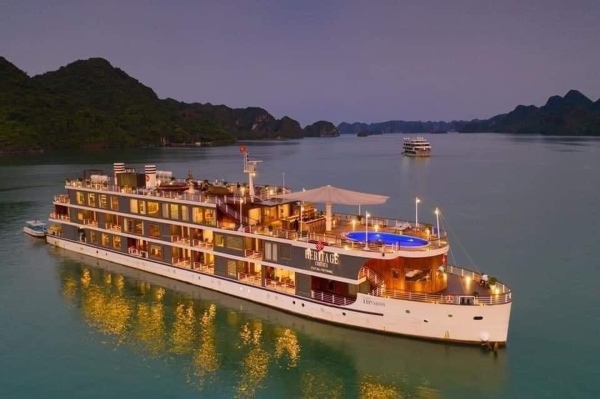
Sailing past the monumental limestone pillars of Halong Bay is a defining highlight of traveling through Vietnam. The UNESCO World Heritage site is undeniably breathtaking, but because it is an international tourism hotspot, it has also become a logistical minefield. With hundreds of operators, multiple marine routes, and fluctuating seasonal weather, it is surprisingly easy to make an oversight that can turn a dream voyage into a stressful or underwhelming experience.
For a brand storyteller or content strategist, the goal is always to cut through the generic promotional noise and address the real pain points of the consumer. This guide maps out the most common mistakes tourists make when planning and experiencing a Halong Bay cruise, offering practical alternatives to safeguard your vacation.
1. Falling for the “Base Price” Trap
The most frequent mistake happens long before anyone steps onto the vessel. Many travelers scroll through booking platforms, spot a remarkably low rate, and reserve it instantly under the assumption that a cruise is automatically all-inclusive.
-
The Reality: Budget and low-to-mid-range operators frequently unbundle their services to make their initial sticker price look appealing. Once you are out on the water, you may discover that essential elements are charged as expensive add-ons.
+-------------------------------------------------------------+
|                     THE COST GAP REALITY                    |
|                                                             |
|   [ LOW BASE PRICE TICKET ]  --->  [ THE HIDDEN EXTRA BILL ]
|   Covers: Room & Basic Food        Excludes: Hanoi Transfers,
|                                     Kayaking Gear, Drinks,
|                                     Port Surcharges
+-------------------------------------------------------------+
How to Avoid It: Before paying your deposit, request a explicit list of inclusions. A premium or transparent operator should clearly specify whether round-trip luxury limousine transfers from Hanoi, water excursions (like kayaking or bamboo boat rowing), port entrance fees, and onboard meals are included in the upfront cost.
2. Assuming Every Cruise Sails the Same Route
To the uninitiated, the Gulf of Tonkin is just one big body of water. Tourists often book a cruise simply based on the look of the cabin, completely ignoring the geographic route the ship is legally permitted to sail.
The region is actually managed under three separate maritime jurisdictions: Halong Bay Core Zone, Lan Ha Bay, and Bai Tu Long Bay.
-
The Mistake: Booking a classic Halong Bay route when what you actually desire is peace and isolation. The classic route hosts the most iconic landmarks, like Sung Sot Cave and Ti Top Island, meaning it suffers from extreme vessel congestion. Hundreds of boats anchor in the same clusters, stripping away the feeling of an untouched natural paradise.
-
The Fix: If you suffer from crowd fatigue, actively seek out alternative itineraries. For instance, Bai Tu Long Bay occupies the northeastern wing of the heritage zone and accommodates only a fraction of the daily ship permits, preserving the quiet, raw majesty of the waters.
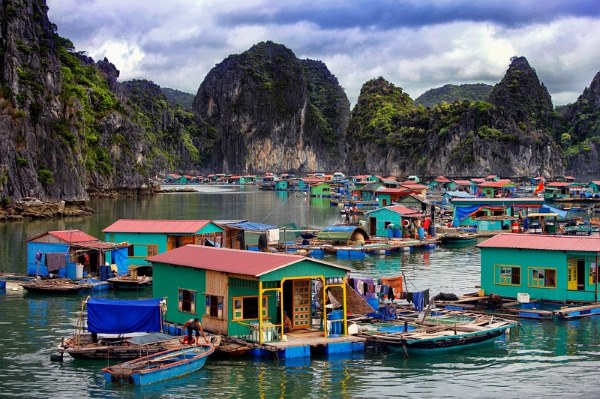
3. Opting for a Rushed Day Trip
Time is a precious currency when traveling, which leads many international visitors to book a single-day cruise from Hanoi.
-
The Reality: A standard day trip is an exhausting logistical sprint. The driving distance between Hanoi and the coastal ports is roughly 150 to 180 kilometers. Even utilizing the modern expressways, you will spend roughly 5 to 6 hours in a round-trip transfer vehicle just to spend 4 to 6 hours on a crowded afternoon boat.
-
The Consequence: You miss the magic hours. The absolute best phases of the bay occur at dusk, when the day-trippers depart and the karsts turn indigo against the sunset, and at dawn, when a quiet mist hangs over the water. An overnight itinerary (either 2-day-1-night or 3-day-2-night) is essential to actually absorb the scale of the landscape.
4. Packing for an International Resort
Because modern luxury cruise ships in the bay feature gorgeous suites with bathtubs and private balconies, travelers often pack as if they are checking into a traditional metropolitan hotel. They bring massive, heavy rolling suitcases filled with multiple changes of formal wear and heavy footwear.
+-------------------------------------------------------------+
|                     SMART BAG MANAGEMENT                    |
|                                                             |
|  [ LEAVE AT HANOI HOTEL ]           [ BRING ON THE CRUISE ]  |
|  - 20kg Hard-shell Suitcases        - Compact Duffel Bag     |
|  - Formal Gowns / Tuxedos           - Non-slip Trail Shoes   |
|  - Heavy Winter Outerwear           - Swimwear & Quick-Dry   |
+-------------------------------------------------------------+
-
The Problem: Space inside boutique ship cabins is compact. Navigating steep, narrow vessel staircases or boarding small tender dinghies with a giant hard-shell suitcase is incredibly difficult. Furthermore, flip-flops – while fine for the sundeck – are dangerously slick when climbing the damp, steep stone steps inside natural limestone caverns.
-
The Fix: Leave your main luggage with your hotel concierge in Hanoi. Pack a lightweight duffel bag with quick-dry apparel, swimwear, a light windbreaker for the evenings, and sturdy trail sneakers with rubber traction for exploring caves.
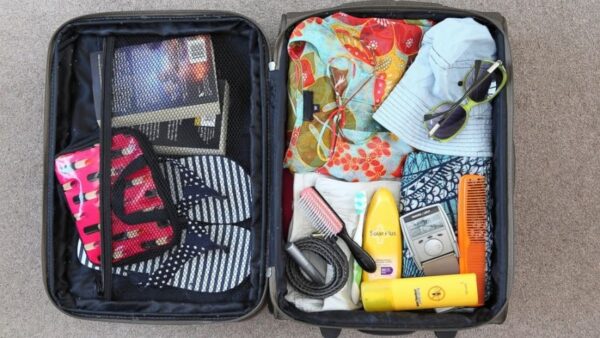
>>> Enjoy a perfect balance of relaxation and adventure with a Halong Bay cruise 2 days 1 night journey.
5. Mismanaging the Onboard Beverage Situation
Unlike major ocean liners with complex beverage packages, Halong Bay cruises have unique rules regarding liquids, and overlooking them can result in an awkward checkout experience.
-
The Beverage Bill: Even on high-end luxury cruises, drinking water provided for free is typically limited to two complimentary bottles per cabin per day. Alcohol, soft drinks, and specialty espresso coffees are almost universally billed separately at the end of the trip. Because stocking a ship requires logistics from the mainland, onboard drink prices are noticeably higher than on shore.
-
The Corkage Pitfall: Trying to sneak a case of beer or bottles of wine on board to save money often backfires. Most ships maintain a strict policy and will levy a substantial “corkage fee” per bottle if they see you consuming outside beverages in public areas or dining rooms.
6. Blindly Trusting Outdated Online Imagery
The travel market in northeastern Vietnam moves incredibly fast. Ships age quickly due to the high humidity and salty marine environment of the Gulf of Tonkin.
-
The Trap: Booking a ship based entirely on promotional photographs that were taken during its inaugural launch five or six years ago. Tourists are occasionally shocked to find rusted railings, outdated cabin upholstery, or malfunctioning air conditioning units because they relied on a static booking site.
-
The Remedy: Cross-reference every option on independent review portals. Look at raw, unfiltered guest photos uploaded within the last three to six months on TripAdvisor or Google Maps to gauge the current maintenance state of the vessel.
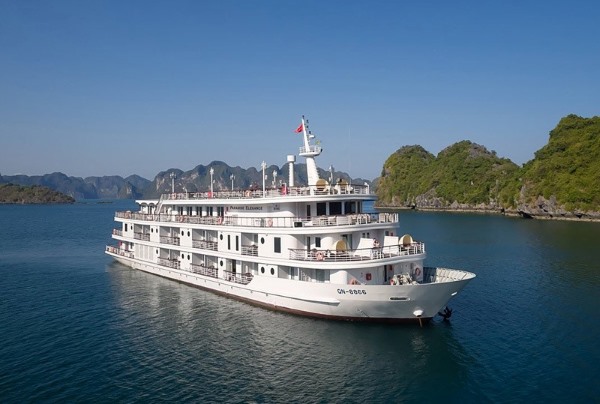
>>> Create unforgettable moments on the water with a tailored Halong Bay private cruise designed just for you.
Conclusion
Avoiding these common mistakes comes down to prioritizing quality, space, and authenticity over the allure of a cheap deal or a rushed itinerary. By selecting an uncrowded geographic route, packing deliberately, and understanding the financial inclusions of your booking, your voyage through this legendary landscape becomes effortless.
For travelers who refuse to compromise and demand an experience free from the predictable pitfalls of mass tourism, shifting your focus toward curated heritage and boutique elegance is the key. If your intent is to sail through the most pristine, silent stretches of the bay while enveloped infive-star royal artistry and absolute transparency of service, discovering a dedicated luxury vessel changes everything. To explore a refined, all-suite cruise experience tailored for those who value authentic preservation and timeless luxury, visit http://emperorcruises.com/ to begin curating your journey.